Maintaining Your Hearing Aids

The Complete Guide to Deep Cleaning Hearing Aid Receivers and Microphones
Just like brushing your teeth, cleaning your hearing aids should be a part of your daily routine. Here’s your helpful guide filled with tips and tricks for daily hearing aid maintenance.
Published 9/25/2026,
Updated 9/25/2026
2 min read
Hearing aidsHearing aid maintenanceTips and tricks
Share article
Why It’s Essential to Keep Your Hearing Aids Clean
Caring for Your Hearing Aids
Do you clean your glasses daily so that you can see clearly? Do you keep up to date with your car service so that your vehicle doesn’t break down?
Looking after your hearing aids is no different.
After investing in your hearing health, proper cleaning helps your hearing aids deliver the best sound quality and stay reliable for years to come.
“Hearing aids are a technical marvel with many components working in unison to provide you with the best hearing experience,” explains expert audiologist K. Durrheim. “If some of those parts don’t function properly, then the entire device will not offer the best hearing experience.”
From daily inspections to recommended cleaning tools and supplies, here’s your complete guide on how to clean your hearing aids.
Hearing aids are a technical marvel with many components working in unison to provide you with the best hearing experience. If some of those parts don’t function properly, then the entire device will not offer the best hearing experience.
K. Durrheim
Bloom Hearing Audiologist
Maintaining Your Hearing Aids
Hearing Aid Maintenance
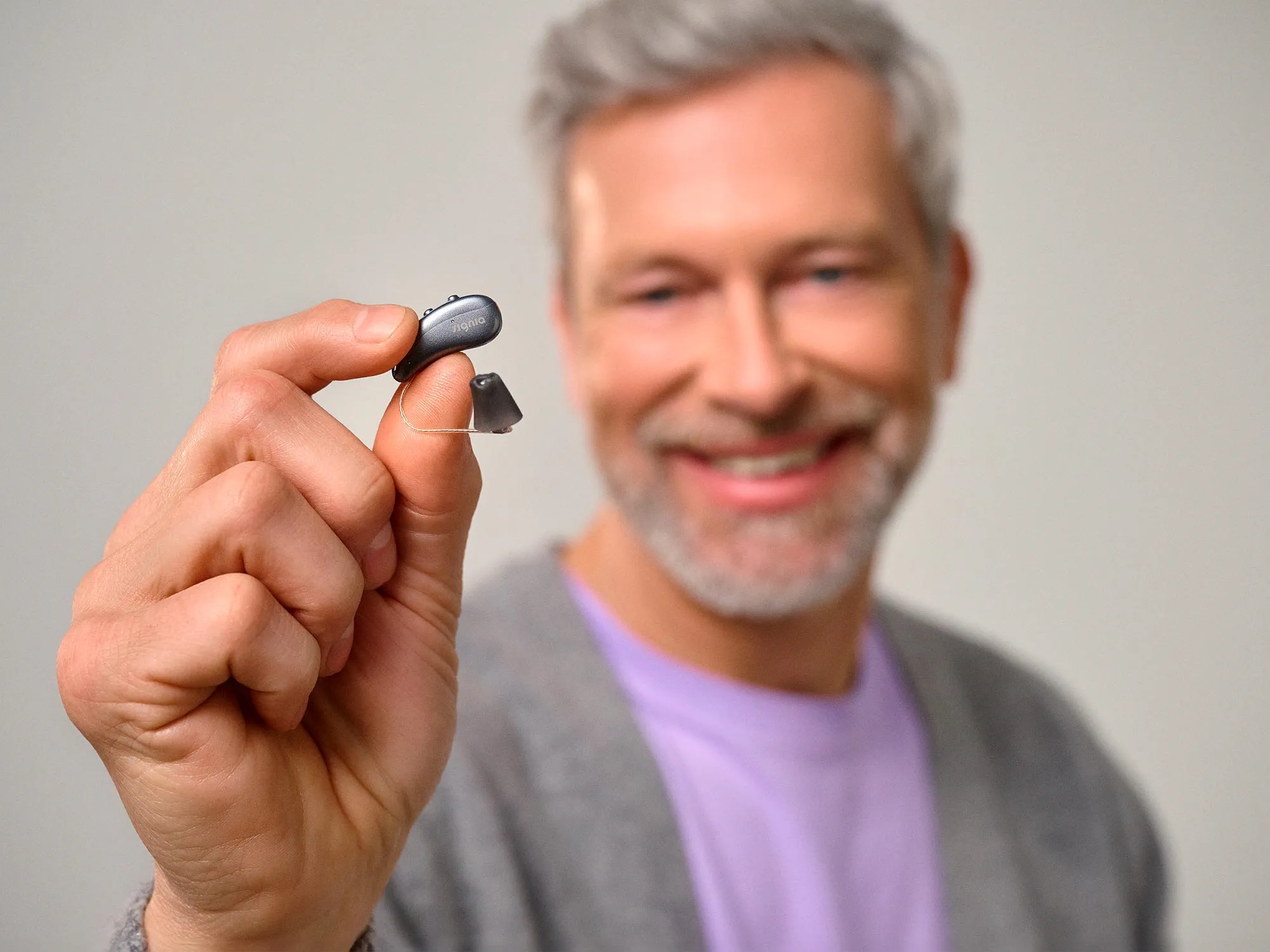
The first step in hearing aid maintenance is understanding your devices.
Your hearing aids have a:
 Shell (the outer surface of your hearing aid)
 Microphone (which picks up the sound)
Receiver (which directs sound into your ear)1
Tips for cleaning your hearing aids
How to Clean Your Hearing Aids
Check your hearing aids for wax and dirt every time you remove them from your ears, or before you put them in your ears.
If earwax has accumulated around the receiver of your hearing aids, remove the wax with a cloth or the small cleaning tool supplied with your hearing aids.
You can use a soft, dry cloth to polish the external speaker units each night to keep your devices in good working condition and to let them air out while you sleep.
Ensure that your hearing aids are never submerged in water or any liquid cleaning agent, and only ever clean your hearing aids with a dry or damp cloth.
Another tip is to make use of the cleaning tools and drying devices that came with your device; this equipment is designed for the safety and longevity of your hearing aids. Never use a hair dryer or microwave to remove moisture from your hearing aids.
Watch the video to learn how to clean your hearing aids
How Do You Deep Clean Your Hearing Aids?
The deep-clean steps differ slightly depending on your hearing aid type. Choose the instructions below that match your device.

In-The-Ear Hearing Aids
In-The-Ear Hearing Aids
- Use a clean, dry tissue or soft cloth
- Wipe the body of your hearing aids
- Carefully remove visible debris with the cleaning tools provided
- Push the cleaning tool through the vent to remove debris trapped inside

other types
Behind-The-Ear (BTE) and Receiver-In-Canal (RIC) Hearing Aids
- Use a clean, dry tissue or soft cloth
- Wipe the body of your hearing aids
- Carefully remove visible debris
- Thread the wire provided in your tool kit through the slim tube to remove any debris in the tube
- Clean the ear tip using the tools provided in your hearing aid care kit
- If you are unsure about how to clean your hearing aids yourself, visit your local audiologist to assist you with the cleaning process
Special Care for Fragile Hearing Aid Parts
How to Clean Hearing Aid Microphones
The microphone is a delicate component of your hearing aids. To clean this component, make sure your hands are clean.
Turn your hearing aids upside down, then use your hearing aid brush to gently sweep across the microphone port.1
What Other Hearing Aid Parts Need Regular Cleaning?
Here are a few extra inspections as part of your hearing aid deep clean.

Earmould and Tubing Tips
Earmould and Tubing Tips
Depending on the type of hearing aids you have, you may have a custom-made mould or tip that sits in your ear, or you may have tubing and a standard-sized dome.
Make sure the tubing that connects the hearing aid to the part that sits in your ear does not have any blockages, caused by sweat, water droplets, skin, wax or a kink in the tubing.
Check whether these need to be changed or cleaned. If unsure, ask your hearing care professional.

Wax Guards
Wax Guards
A wax guard is a special type of filter that’s placed in the sound outlet to help prevent wax and dirt from entering the hearing aid and blocking the path of amplified sound.
Before changing your wax guard, check if it needs replacing. Signs your wax guards need changing include:
- Dampened sound
- Visible wax blockages at the opening of the wax filter (appearing as a white circular vent at the end of the hearing aid tube)
We all produce different amounts of earwax, so you may need to change your wax guard more or less often than others. As a precautionary measure, ask your audiologist to guide you on how frequently you should change your wax guard.
Expert Cleaning Tips From Our Audiologist
4 Tips on Deep Cleaning Your Hearing Aids
We asked our expert audiologist, K. Durrheim, to share his top tips on how to deep clean your hearing aids.
- 1.Clean your hearing aids with damp disinfectant wipes at least once a week. Avoid the use of wet cloths.
- 2.Receiver-in-canal (or RIC hearing aid devices) feature an open-fit design with a thin wire that positions the receiver directly inside the ear canal. For RIC devices, you should replace the wax guard filters and dome sleeves once every two months.
- 3.
BTE devices, or behind-the-ear hearing aids, feature an open-fit design that doesn't block the ear canal, creating a more discreet design. BTE earmoulds should be cleaned with water and cleaning tablets at least once a month.
Ensure that the moulds are disconnected from the body of your hearing aids when cleaning to avoid moisture exposure. The plastic tubes will harden because of UV light and transpiration; they should be changed a few times a year.
- 4.Gently brush the microphone openings on your hearing aids regularly to ensure that all sounds can be received at all times.

Hygiene and Hearing Aids
Keeping Your Ears Clean for Hearing Aids
Excess wax can cause hearing aids to function poorly or not at all.
It’s completely natural for the glands within the ear canal to produce wax, but as wax works its way from the inside of the ear canal to the opening of the ear, it can block your hearing aid.
It’s recommended that you have your ear canals examined by a doctor or nurse before having a hearing test or hearing aid fitting.
Excessive earwax should only be removed by a hearing care professional. Avoid inserting any foreign objects such as cotton buds or ear picks into your ears. This could cause the wax to build up further and even potentially damage your ear. It is recommended that you gently wipe visible earwax from around the outer ear with a clean, dry, soft cloth.

Share article