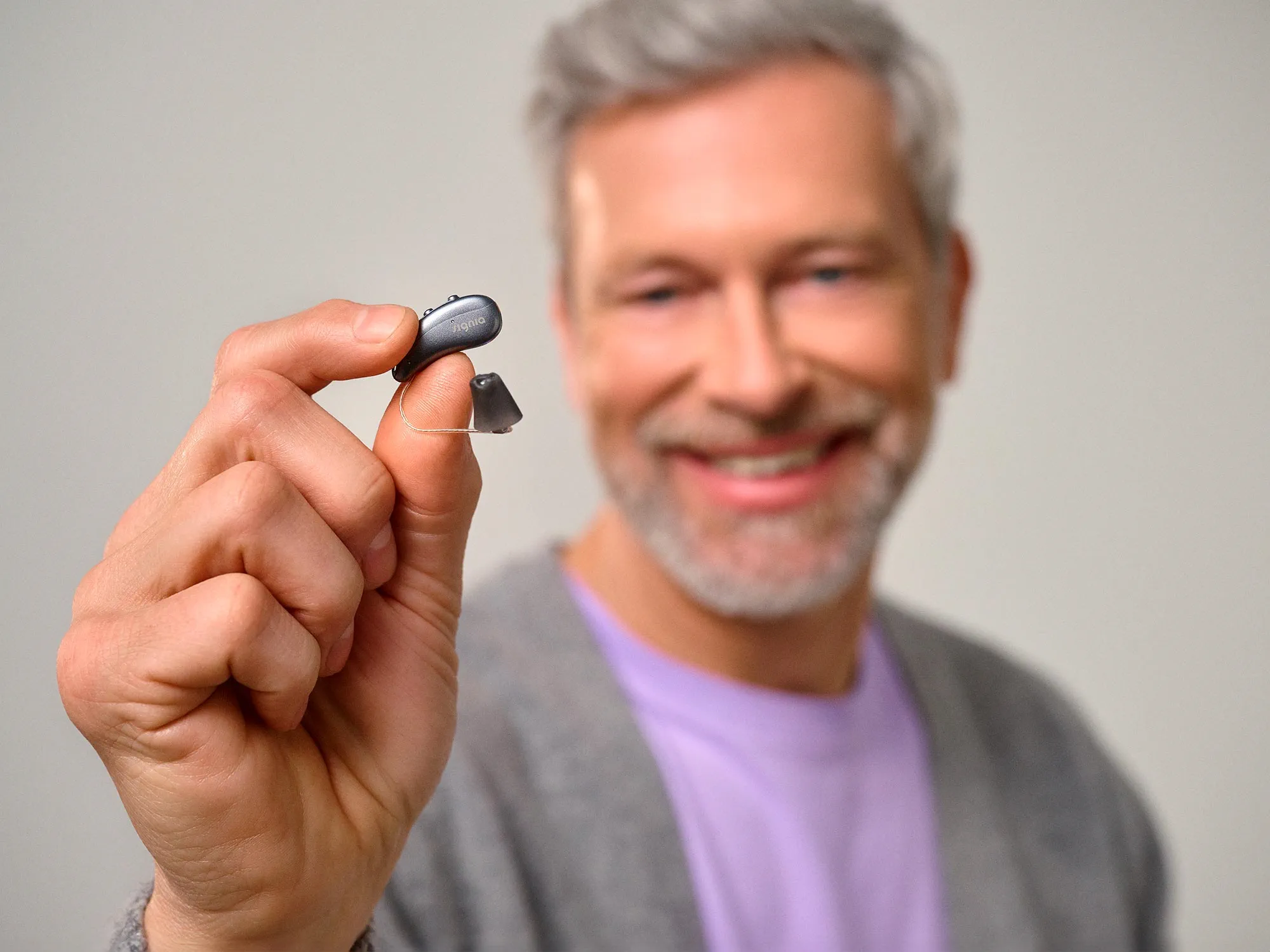
Ask an Expert: How Do I Know If I Need Hearing Aids?

Q: What are the signs I need hearing aids?

Often asking people to repeat themselves

Struggling to follow conversations in noisy places

Turning up the volume on the TV or phone

Getting comments from family or friends about your hearing

Feeling left out in group conversations

The good news is, you have the power to take charge and reconnect with the moments that matter. If any of this sounds familiar, it’s worth getting your hearing checked by an expert audiologist.
Q: When should I get hearing aids?
Recognising these early signs of hearing loss and seeking help from an expert audiologist can make a big difference in staying engaged and independent. Getting support is a positive first step toward better hearing health.

From a clinical standpoint, it’s advised to have your hearing tested annually to detect any changes early. If you’re over 501 or have conditions like diabetes1 or high blood pressure, more frequent check ups may2 be helpful.
The first step is a full hearing evaluation by an audiologist. If they find that you have hearing loss, they’ll guide you toward the right possible solutions, whether that’s hearing aids or a medical referral. Addressing your hearing health sooner rather than later helps protect your hearing so you can stay connected. It also supports your cognitive and emotional health3.
Q: How bad does hearing have to be to need hearing aids?
Since hearing loss usually develops gradually, many people don’t notice until it starts to impact their daily life. On average, people wait about eight4 years before getting help; addressing it sooner means you stay connected and confident.
The decision to get hearing aids shouldn’t be based on the level of hearing health alone, but on how much the changes are affecting your everyday life. For instance, someone with mild hearing loss working in a noisy office may benefit from hearing aids sooner than someone else who spends most of their time in quiet settings.
Q: Do I need hearing aids for mild hearing loss?
Everyone's needs are unique, so the best first step is to get a professional hearing assessment and discover the options that work for you.

Sources:
1 Journal of the American Board of Family Medicine: Hearing Loss Health Care for Older Adults (May 2016): https://pubmed.ncbi.nlm.nih.gov/27170797/
2 Diabetes and Metabolic Syndrome: Interaction between diabetes mellitus and hypertension on risk of hearing loss in highly endogamous population (Nov 2017): https://pubmed.ncbi.nlm.nih.gov/27614865/
3 Alzheimer's & Dementia: Translational Research & Clinical Interventions: The impact of hearing impairment and hearing aid use on progression to mild cognitive impairment in cognitively healthy adults: An observational cohort study (22 February 2022): https://pubmed.ncbi.nlm.nih.gov/35229022/